

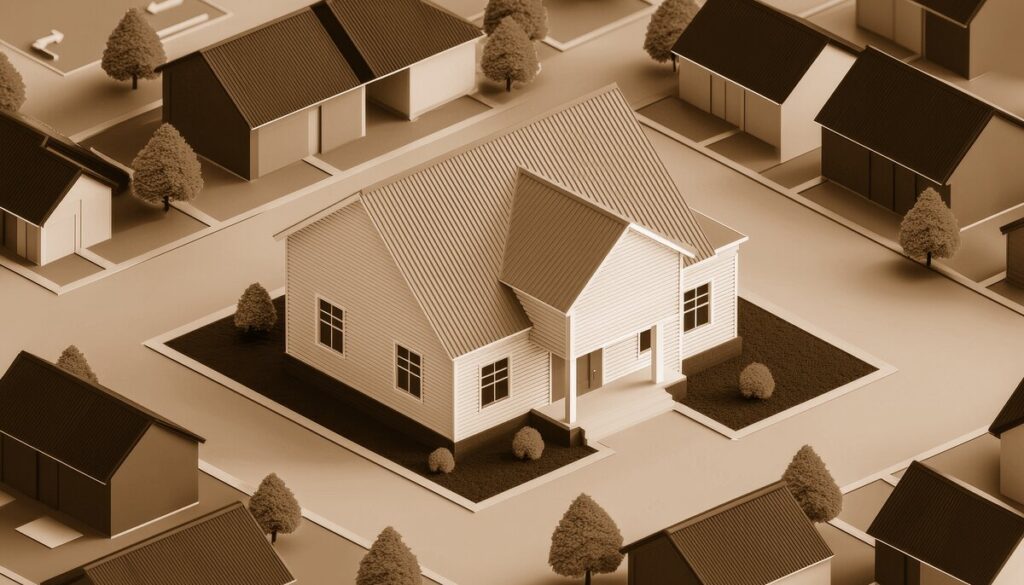
A Welcoming Beginning: The Roots of Kenwood Heights
Nestled in the rolling landscape of Shelby, North Carolina, Kenwood Heights stands as one of the city’s most storied and beloved neighborhoods. While Shelby as a whole is often recognized for its proud textile legacy and musical roots, Kenwood Heights carves out its own legacy—intertwining community, tradition, and the quiet charm of small-town life.
The origins of Kenwood Heights trace back to the post-World War II era, a time when Shelby was experiencing significant growth. As mills brought prosperity to the area and nearby uptown expanded, there was a growing need for quality residential neighborhoods. The tract that would become Kenwood Heights was part of a larger swath of farmland, owned for decades by the influential Kenwood family. By the early 1950s, this land began its transformation into a thoughtfully planned neighborhood, guided by the post-war optimism that shaped so much of Shelby’s suburban growth.
How Kenwood Heights Got Its Name
For many Shelby locals, “Kenwood” is synonymous with community. The neighborhood's name pays tribute to the Kenwood family, whose stewardship of the land dates back to the early twentieth century. The “Heights” nods to the neighborhood’s gently elevated terrain—one of the highest points in Shelby, offering views of the town’s skyline and surrounding foothills. Tales passed down through generations say that the Kenwood family not only owned the land but were known for their involvement in community betterment, supporting local churches and schools.
Key Historical Milestones
- 1950s – Development Begins: Streets like Kenwood Drive, Highland Avenue, and Woodlawn Road are platted, and the first brick and ranch-style homes are constructed. The aesthetic embraced wide lots, modest setbacks, and mature oaks that still line the sidewalks today.
- 1960s – Growth of Community Life: As families populate the neighborhood, Kenwood Heights becomes known for its block parties and yard sales. Neighbors gather at the Central United Methodist Church on East Marion Street and children attend nearby schools like Jefferson Elementary.
- 1970s-1980s – Flourishing Institutions: As Shelby’s commercial district grows nearby along Lafayette Street, the Kenwood Heights area sees the addition of more local businesses and updated school facilities. The community remains primarily residential, holding fast to its identity amid changing times.
- 1990s-Present – Preservation and Renewal: The neighborhood association forms to maintain Kenwood Heights’ signature look. Residents champion beautification projects, street-side gardens, and historical preservation to keep the unique spirit alive.
Notable Landmarks and Historic Buildings
While Kenwood Heights is primarily residential, its proximity to several Shelby landmarks places history right at the residents’ doorsteps:
- Central United Methodist Church: One of Shelby’s oldest and most active congregations, its towering spire is visible from Highland Avenue and is central to countless community traditions.
- Jefferson Elementary School: While not within the historic boundaries of Kenwood Heights, this nearby school has educated generations of neighborhood children. Its early brick façade and proud school spirit make it a historic institution in its own right.
- Woodlawn Drive’s Mid-Century Homes: The heart of Kenwood Heights features stunning mid-century architecture—ranch houses with painted brick, large front porches, and nostalgic carports.
- Proximity to City Park: While not technically inside Kenwood Heights, the Shelby City Park on North Lafayette Street is just a stone’s throw away, making it a favorite for family picnics, little league games, and fireworks on the Fourth of July.
The Evolving Spirit of Kenwood Heights
Over the decades, Kenwood Heights has evolved alongside Shelby itself. The post-war generation gave way to new families, each adding new chapters to the neighborhood’s ongoing story. Today, the streets—Kenwood Drive, Highland Avenue, and Oakwood Road—echo with the laughter of children, the hum of lawnmowers, and the aroma of backyard barbecues.
What truly sets Kenwood Heights apart, however, is the neighborly bond. Residents contribute to community newsletters, organize cleanup days, and keep the tradition of a fall festival alive. The annual yard sale brings the entire neighborhood together, with homemade lemonade stands on porches and friendly chatter over antiques and old records. Gardeners take pride in azalea-bordered lawns and flowering dogwoods, a nod to both the natural beauty of the area and a generations-old Shelby pastime.
A Look to the Future
The commitment to preservation is evident everywhere: from the careful restoration of ranch homes on Kenwood Drive, to the new families investing in properties and bringing fresh energy. There is a shared desire to maintain Kenwood Heights as a peaceful residential haven—close to uptown Shelby’s restaurants and shops, but always defined by its timeless charm.
Why Kenwood Heights Stands Out
At its heart, Kenwood Heights represents the best of Shelby—neighborliness, resilience, and a deep respect for tradition. In a world that moves quickly, it’s a place where you’ll still find friends greeting each other from porches and where annual traditions never lose their luster.
Whether you’re walking your dog down Oakwood Road, volunteering at Jefferson Elementary, or simply enjoying a sunset from your own backyard, Kenwood Heights is a reminder of how neighborhoods should feel: welcoming, rooted in history, and always looking forward, together.